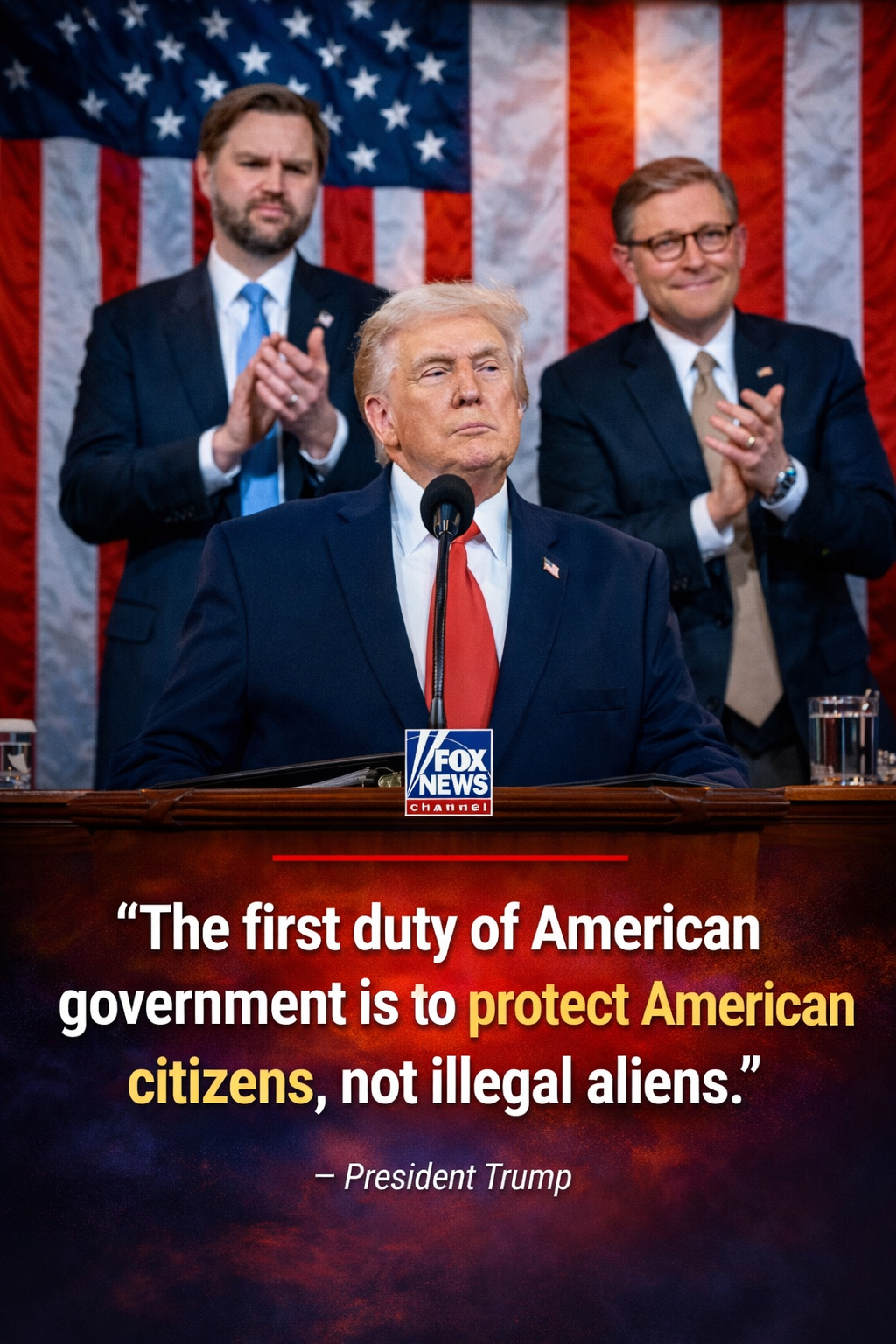
The phrase “protect American citizens” is intended to emphasize:
- Crime prevention
- Border enforcement
- National sovereignty
Trump and his allies argue that stronger immigration controls are necessary to reduce security risks and protect communities.
Step 4: Legal vs. Illegal Immigration Distinction
A key part of the message is the distinction between legal and illegal immigration:
- Legal immigration is framed as structured and lawful
- Illegal immigration is presented as bypassing established rules
This distinction is often at the center of political disagreement, with opposing sides interpreting its impact differently.
Step 5: Political and Public Reaction
The statement has sparked strong reactions:
- Supporters say it reinforces accountability, safety, and national priorities
- Critics argue it oversimplifies complex humanitarian and legal issues
The divide reflects broader national polarization over immigration policy.
Step 6: How This Fits Trump’s Broader Platform
This message aligns with Trump’s long-standing policies, including:
- Border wall construction
- Increased deportations
- Tighter asylum rules
It reinforces a consistent theme of “America First” governance.
Step 7: Why the Statement Matters Now
The remark comes amid:
- Ongoing border challenges
- Legislative deadlock on immigration reform
- Heightened political tension ahead of elections
Statements like this help shape voter priorities and influence public discourse.
Final Thoughts
Trump’s declaration draws a firm boundary in the immigration debate, emphasizing citizen-first governance as the core responsibility of the state. Whether viewed as necessary protection or controversial rhetoric, the statement highlights a central question facing the nation:
How should governments balance security, law, and humanitarian responsibility?